
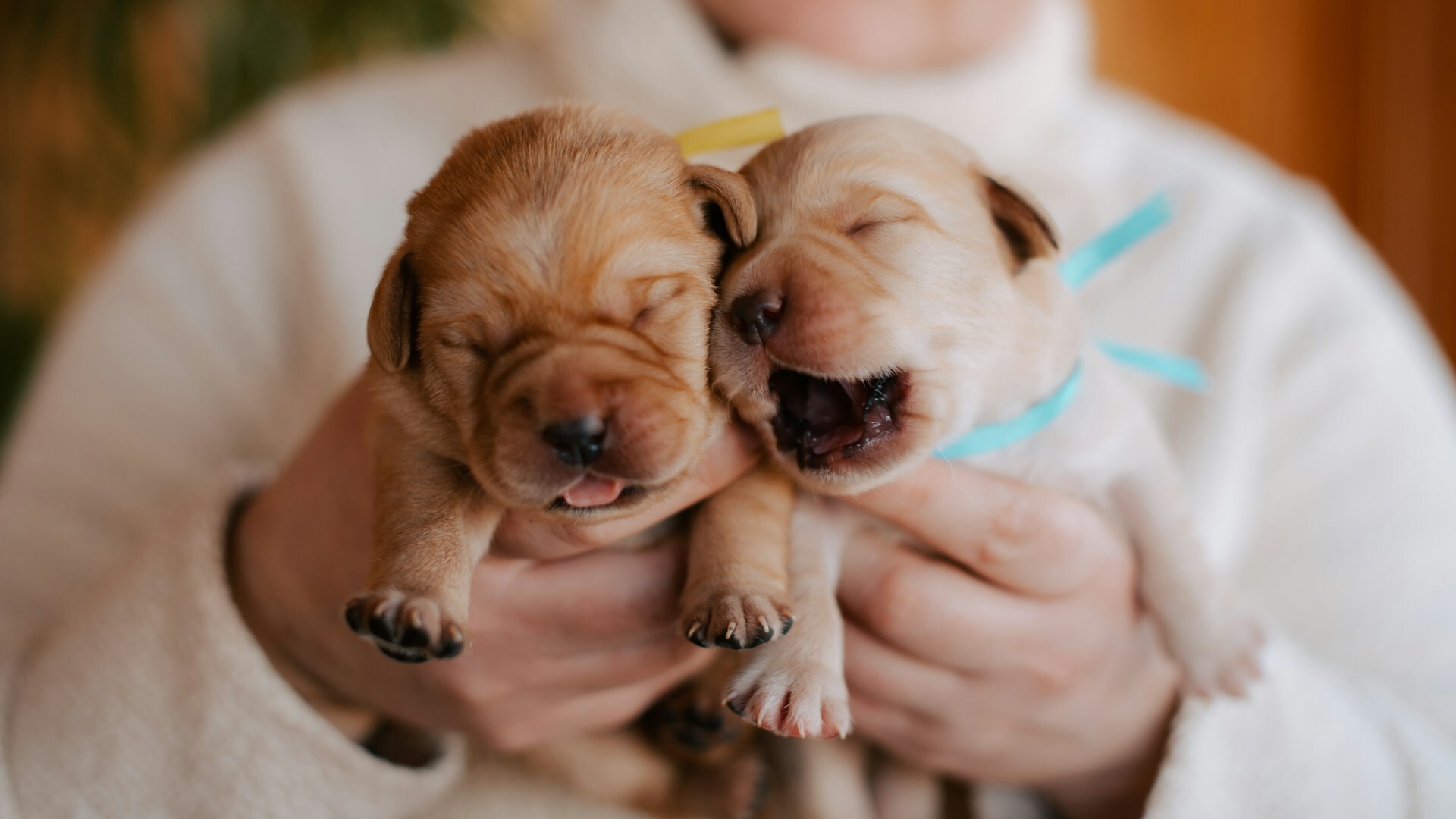
Approved! Today, European Parliament approved the draft law on minimum EU standards for the breeding, housing, and handling of cats and dogs — a first for the EU. The Commission originally proposed these new rules on 7 December 2023.
Improved traceability: microchipping for all
During the plenary session today, MEPs voted, by 457 votes to 17 (and 86 abstentions), that all dogs and cats kept in the EU must be individually identified with a microchip, by a veterinarian or under her/his responsibility. They also demand that microchipped dogs and cats be registered in interoperable national databases. Microchip identification numbers, along with information about the corresponding national database, should be stored in a single index database managed by the Commission. Keeping or selling dogs and cats in pet shops must be also prohibited, say MEPs.
Dogs and cats from third countries
To close potential loopholes that would allow dogs and cats to enter the EU as non-commercial pets only to be subsequently sold, MEPs want to extend the rules to cover not only imports for commercial purposes but also non-commercial movements of the animals. Dogs and cats imported from third countries for sale would have to be microchipped before their entry into the EU, and then registered, by a veterinarian, in a national database. Pet owners entering the EU would be obliged to pre-register their microchipped animal on an online database, at least five working days before arrival.
Ban on extreme breeding
Breeding between parents and offspring, grandparents and grandchildren, as well as between siblings and half-siblings, must be prohibited, stress MEPs. MEPs also want a ban on the breeding of dogs or cats that have excessive conformational traits leading to a high risk of detrimental effects on their welfare, as well as a prohibition on these animals being used in shows, exhibitions or competitions. This also applies to dogs and cats with mutilations, such as docked tails or ears. Bitches and queens that have undergone more than two caesarean sections shall no longer be used for breeding. Tethering and the use of prong and choke collars must also be prohibited, add MEPs.
Moving against illegal breeding
Rapporteur and Chair of the EP’s AGRI Committee, Veronika Vrecionová (ECR, CZ), observed that the document “marks a clear move against illegal breeding and the irresponsible importation of animals from outside the EU.” While further dialogue will be needed to iron out some details, “I believe we are united in our aim to protect the welfare of dogs and cats. This shared commitment is a strong starting point for productive talks with the Commission and Council." The so-called trilogue negotiations are expected to lead to new legislation by the end of 2025 at the earliest.
Welcomed by the UEVP
UEVP president Volker Moser welcomed today’s vote. “We’re now one step closer to legislation that will improve the health and welfare of countless dogs and cats – and their owners. Traceability of pets saves lives, helps reunite lost animals, curbs illegal trade, and protects public health. We are also glad to see minimum welfare standards for all breeders, a ban on mutilations and on extreme breeding, prohibition of sales of cats and dogs in pet shops and closer veterinary oversight in the inspection of breeding establishments.”
…and the by FVE
FVE executive officer Nancy De Briyne added: “As a profession, we are delighted with today’s vote. All the important articles and amendments of this proposed law were adopted today. The original European Commission proposal was already very good – thanks to input from the FVE – and Council made it even better, inserting nearly all points we asked for in our joint position paper with FECAVA. And today’s plenary vote included almost all points from our paper. We now will closely follow to see what happens during the trialogue.” On behalf of FVE, she also thanked everyone for their input, and in particular “all our members and veterinarians who made a difference in speaking up for animal welfare, fighting illegal trade, and promoting responsible breeding across the EU.”