
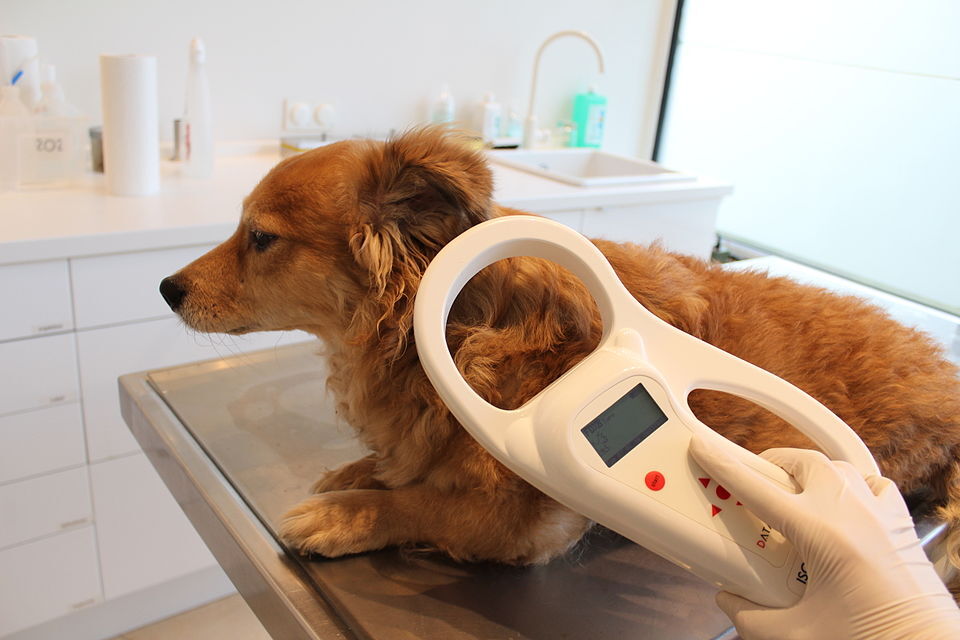
‘79% of all dogs put on the European market annually come from unknown sources,’ recalls today’s joint statement of animal health and welfare organisations, including the FVE and the Federation of European companion animal veterinary associations (FECAVA). They call upon decision and policy makers to ‘support the mandatory identification and registration of all dogs and cats in the EU: Chip, Track, Protect!’
The law must encompass all dogs and cats
They voice their fear that if the law only applies to officially traded animals, ‘rogue traders can claim the animals they move are their own pets.’ It is widely known that illegal trade involves breeders acting as small-scale breeders or as private people, whilst operating on a large scale, they add. ‘The law must encompass all dogs and cats, as there is someone behind every traded, lost or abandoned animal.’
The role of vets in I&R is crucial
The role of vets in the identification and registration of animals is crucial for a reliable link between animal and its owner. This is critical for animal health and welfare, disease control and for relieving the burden and cost of caring for stray animals. Thousands of dogs – and many more cats – are abandoned annually across Europe. The lucky ones are rescued and taken in by shelters, often at the expense of public funds. However, the owners are rarely identified or held accountable.
A small, one-time investment with many benefits
Identification and registration of cats and dogs is a simple, low-cost, well-established measure, already mandatory in many Member States. For the owner it is a small, one-time investment, costing less than 1% of the lifetime expenses of owning a pet. Its benefits are multiple, from reuniting lost pets with their owners, discouraging abandonment, helping fight illegal trade and breeding practices, supporting infectious disease control, combating antimicrobial resistance and enabling better data gathering for effective animal welfare policies.