
West Nile virus (WNV) has been confirmed in horses in both Belgium and the Netherlands, highlighting continued spread and circulation of the mosquito-borne virus in north-western Europe. Earlier this year, the virus was detected in Germany, Austria (in birds) and France (in horses and one human).
First equine cases of 2026
Belgium confirmed its first equine case on 4 August, following earlier detection of WNV in wild birds. The unvaccinated horse, located in the Brussels area, developed severe neurological signs, including ataxia, neck stiffness, muscle tremors, blindness and excitation and was euthanised.
In the Netherlands, WNV was detected in a horse in South Holland on 5 August, marking the country's first equine case this year, following an autochthonous case in 2025.
Vigilance during vector season
Most equine WNV infections remain subclinical or cause only mild signs such as fever and lethargy. However, a minority develop neurological disease, which may include ataxia, weakness, muscle fasciculations, behavioural changes, cranial nerve deficits or recumbency.
Free testing for WNV
Birds are the natural reservoir and mosquitoes the vectors, while horses and humans are dead-end hosts and do not transmit the virus onwards. Equine cases nevertheless provide an important early-warning signal for WNV circulation and potential human health risks. Alongside measures to reduce mosquito exposure, vaccination should be considered.
Veterinary services in both the Netherlands and Belgium offer free testing.
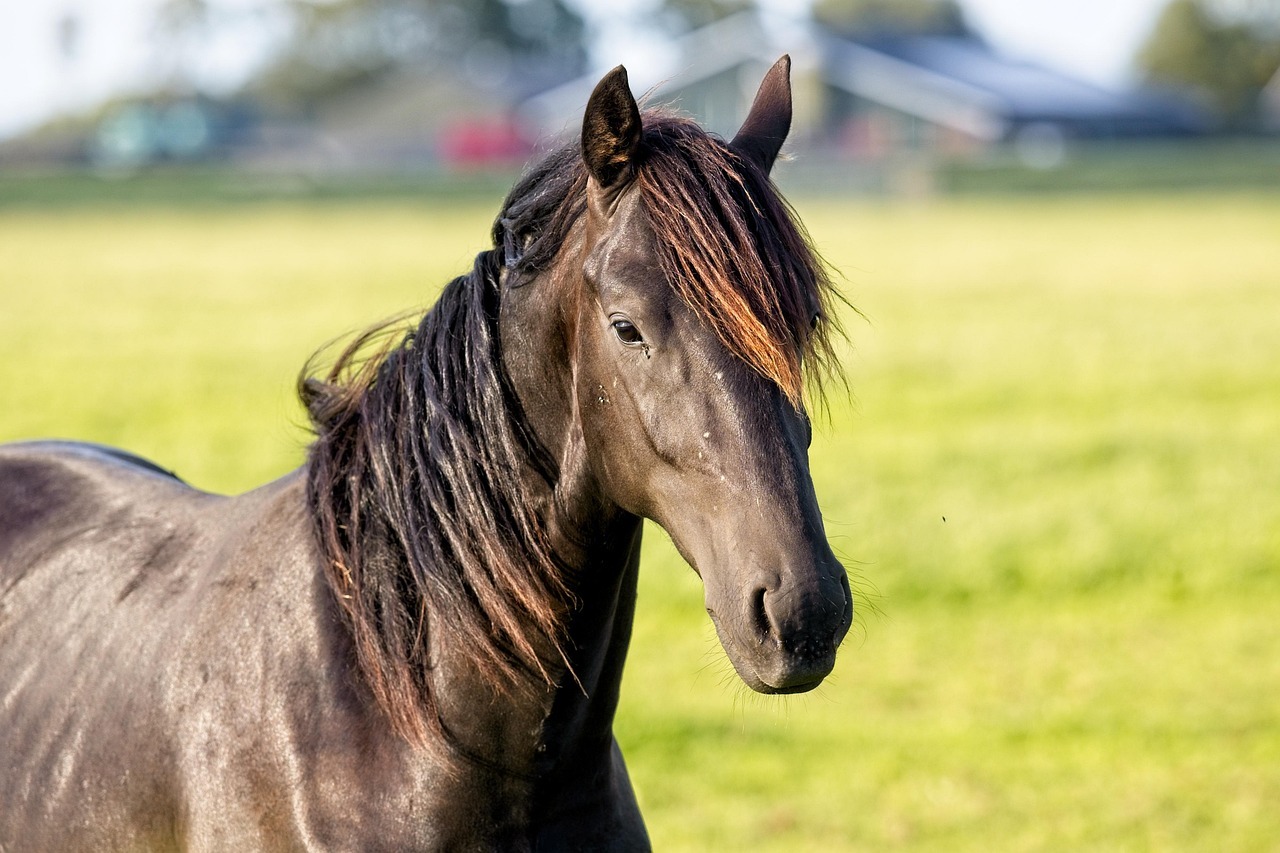
(photo ©Alkemade/Pixabay)