
The Netherlands is moving closer to introducing mandatory vaccination against highly pathogenic avian influenza (HPAI) in laying hens, following a devastating period marked by dozens of outbreaks and the culling of more than 2.3 million birds. Mid-May, the Dutch government announced plans to develop a national vaccination strategy before the end of the year, in consultation with the poultry sector.
Field studies show strong protective effect
The policy shift is supported by encouraging results from a large-scale field study in laying hens, using two HVT-based H5 vaccines, conducted by Wageningen University & Research, Royal GD and Utrecht University. Results show that vaccination significantly reduced virus transmission, mortality and outbreak risk. According to the paper’s authors, the estimated outbreak risk after virus introduction 'dropped from around 96% in non-vaccinated flocks to between 10% and 30% in vaccinated flocks.'
Monitoring remains essential
Researchers stress that vaccination is ‘not a stand-alone solution.’ Because clinical signs and mortality may become less visible in vaccinated flocks, robust surveillance systems remain crucial. Encouragingly, more than 93% of outbreaks could still be detected with appropriate monitoring, while over 8,600 blood tests confirmed that current diagnostic tools remain effective.
Seasonal flu shots for veterinary professionals
The Dutch government also plans to offer seasonal influenza vaccination to higher-risk occupational groups, including poultry veterinarians, farmers and animal ambulance staff, from the next human flu season onwards.
Volker Moser, UEVP President commented: ‘Prevention is better than killing. The Dutch experience suggests that vaccination, combined with surveillance and biosecurity, could become a sustainable long-term strategy for controlling avian influenza in Europe – completely in line with the recent FVE statement on Animal vaccination.'
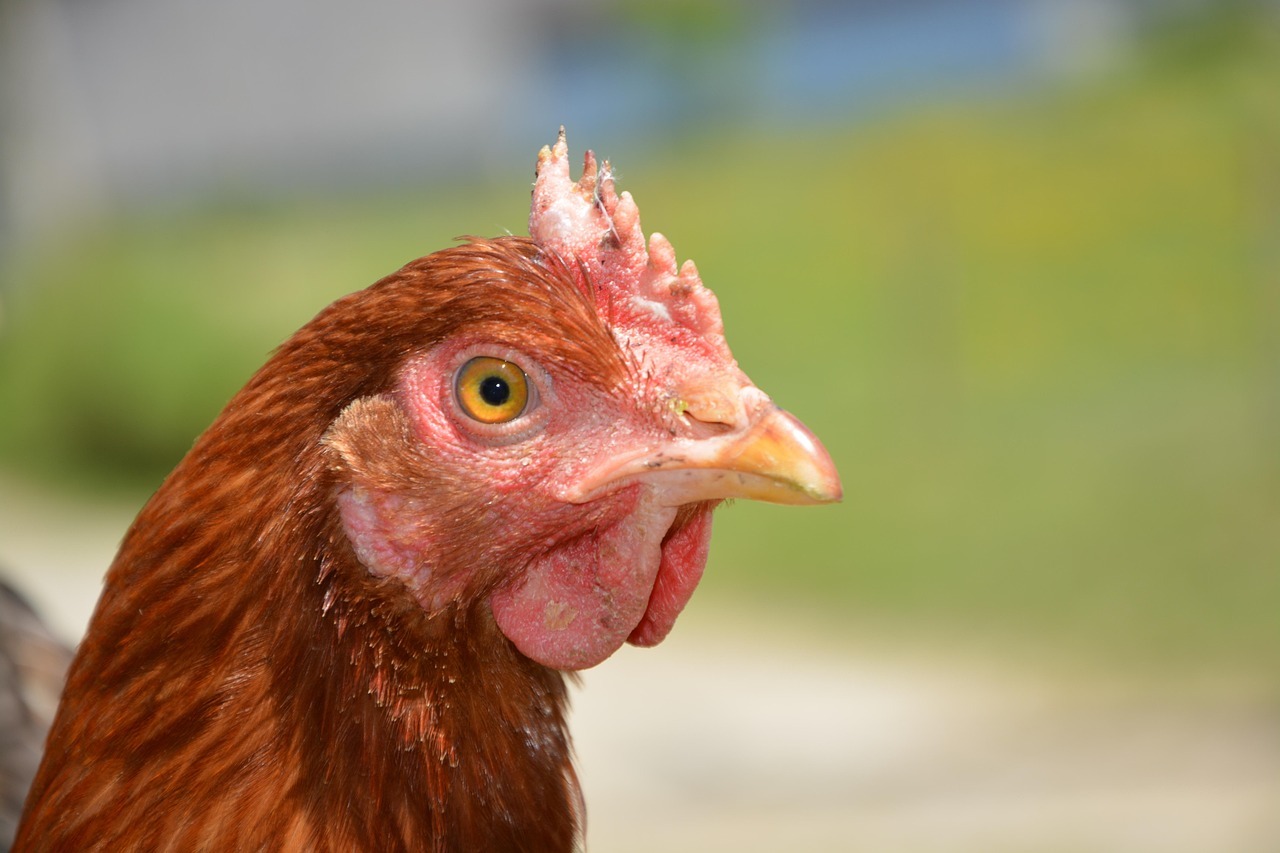
(photo ©JackieLou DL/Pixabay)