
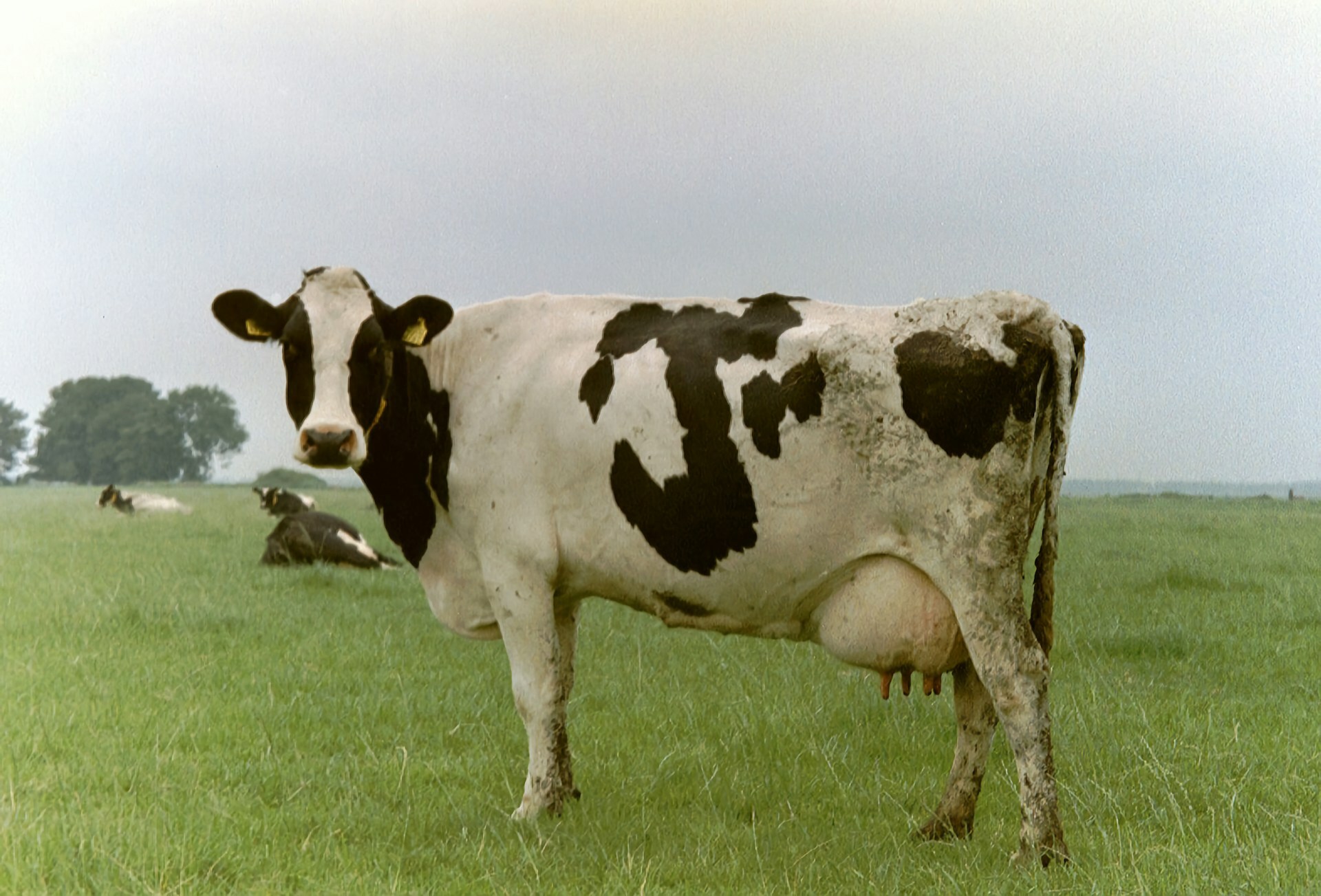
For the first time in Europe, antibodies against avian influenza (H5N1) have been detected in a dairy cow, on a farm in the Netherlands. This was announced by the Dutch minister of Agriculture, Fisheries, Food Security and Nature on 23 January. The detection follows confirmation of avian influenza in a cat on the same farm in December, after which the herd was screened.
All other tests negative
The cow in question had suffered from mastitis and respiratory signs in December but had fully recovered by the time of sampling. Following the finding, all remaining dairy cows of the herd were also sampled and PCR tests have been carried out. All test results so far are negative.
Risk for public health ‘very low’
The current risk for public health is still considered ‘very low’ by the Dutch Public Health Institute (RIVM), in particular as all other cows have tested negative, suggesting an absence of spread. During the clinical signs of the cow, milk of the infected cow had been discarded. Furthermore, all milk from the farm is pasteurised before reaching consumers, eliminating any potential risks.
Veterinary vigilance
However, in light of the high infection pressure, vets are encouraged to remain vigilant. Any suspicion of avian influenza in cattle should be notified. Clinical signs in cattle include fever, loss of appetite, sudden drop in milk production and a thick, discoloured milk.
'Preparedness is key'
‘This case underlines the importance of surveillance and a One Health approach to emerging infections,’ stresses Volker Moser, UEVP president. ‘Preparedness and close collaboration between veterinary practitioners, farmers and state veterinary officers is key. As outlined in the FVE paper on pandemic preparedness, the role of veterinary expertise is vital.’
(Photo © Wouter R/Unsplash)