
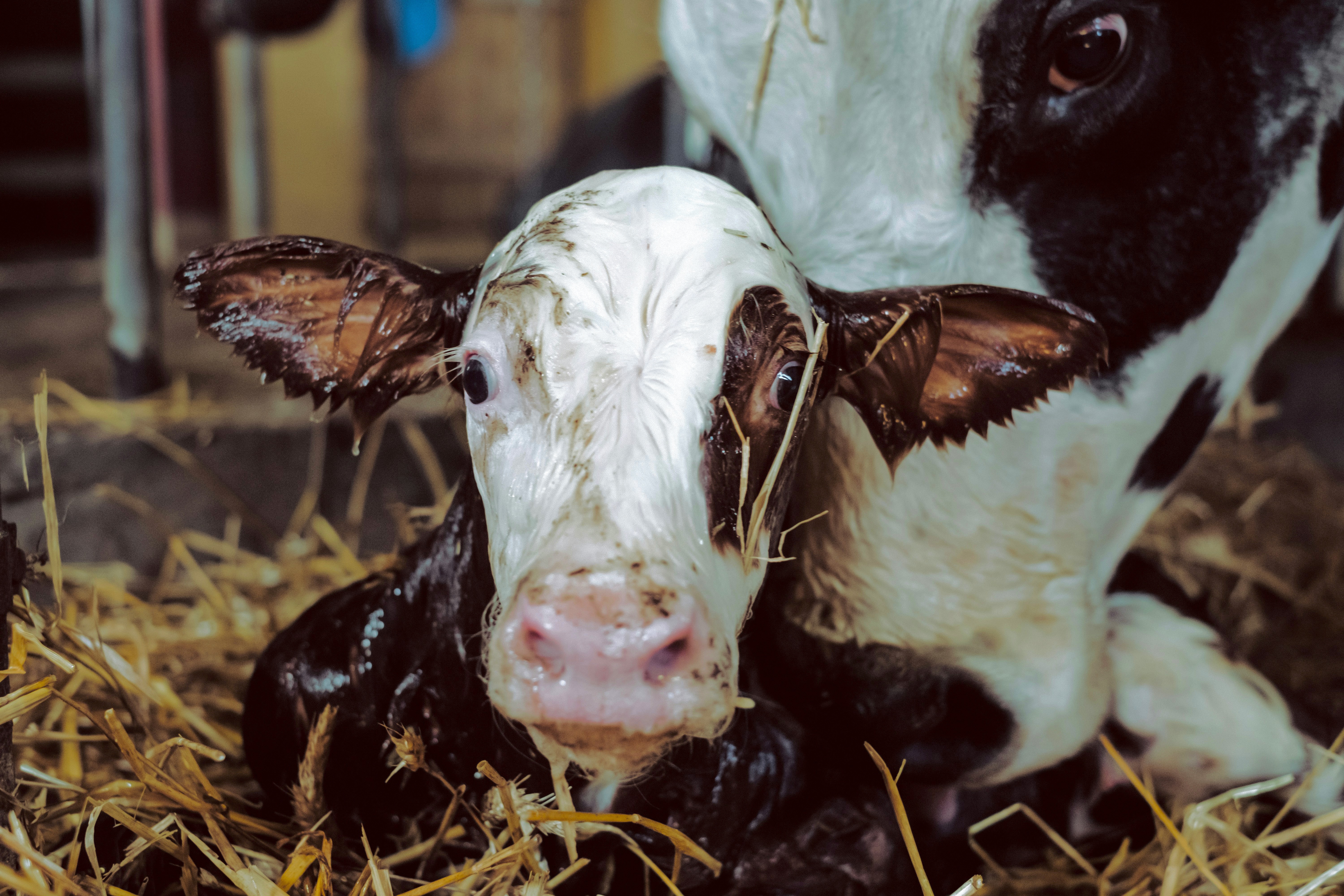
A recent ruling by the Dutch Veterinary Disciplinary Appeal Board (Veterinair Beroepscollege) has reaffirmed that caesarean sections fall outside the scope of lay livestock obstetricians (veeverloskundigen). On 21 November, it rejected the appeal lodged by a veeverloskundige who had performed hundreds of caesarean sections using prescription-only veterinary medicines. By dismissing the appeal, the board sent a clear signal that surgical obstetric interventions and prescription medicines remain the exclusive responsibility of licensed vets.
A uniquely Dutch historical exception
For much of the 19th and 20th centuries, the Netherlands represented a unique exception in Europe by recognising livestock obstetric practitioners, known for their skill in calvings and embryotomies. This situation arose from historical circumstances predating the formal protection of the veterinary profession. From 1954, lay livestock obstetricians were required to sit an exam before practising. Many veterinarians were not willing to perform calvings, let alone caesareans, which became increasingly popular in the 1960s, thus leaving a void. As veterinary historian Carl König noted in 2011: 'Looking back, we must concede that these lay practitioners fulfilled a real need for many decades.'
From tolerated practice to legal extinction
Since 1990, Dutch legislation has moved toward a gradual phase-out of the lay profession. No new veeverloskundigen can enter the register, and only a small number – around thirty – remain active. This measure was compounded by the EU Veterinary Medicines Regulation (EU) 2019/6, which entered into force in 2021. As explained by Joost van Herten, senior policy officer of the Royal Dutch Veterinary Association (KNMvD): ‘Until recently, these lay livestock obstetricians were legally allowed to use a number of veterinary products, such as sedatives, local anaesthetics and certain antibiotics.’ He noted that ‘this court case is unlikely to be the last one in this matter, but the livestock obstetrician will no doubt become rapidly extinct in our country.’
(photo ©Freestocks/Unsplash)