
Key challenges regarding the use of veterinary medicines in EU aquaculture were highlighted at the recent Stakeholders Meeting of the CMDv on 19 March. Andrea Fabris, a veterinarian specialised in aquaculture and chair of the FinFish working group of the Aquaculture Advisory Council, presented the challenges on behalf of FVE and the Federation of European aquaculture producers (FEAP).
Lack of harmonised rules on autogenous vaccine
Despite the regulatory framework on medicated feed (Regulation 2019/4) and on veterinary medicines (2019/6), ‘significant gaps remain in practice,’ Andrea explained. ‘A veterinary medicinal product available and suitable for treatment in one Member State can still be blocked from import in another due to inconsistent national implementation.’ He added that ‘mutual recognition of national registrations is hampered by costly and complex procedures.’ Also, autogenous vaccines face divergent rules across Member States.
‘Fragmented approaches limit treatment options’
He stressed that such a fragmented approache limits treatment options for farmed fish and undermine animal health and welfare across the EU. Representatives of the CMDv welcomed his input and suggested to bring to them a more detailed overview of obstacles per country, so that they can look into it point-by-point.
Same experience? Get in touch!
Are you a vet working in fin fish aquaculture and do you also experience obstacles in respect to autogeneous vaccines, the use of oral medication or the importation from other EU countries? Please contact the FVE secretariat, which will collect all input.
Further information can be found in the Aquaculture Advisory Council recommendations (on vaccines; the replacement of antibiotic treatment by vaccines; and on medicated feed) and in relevant FVE papers on aquaculture medicines by the FishMedPlus group.
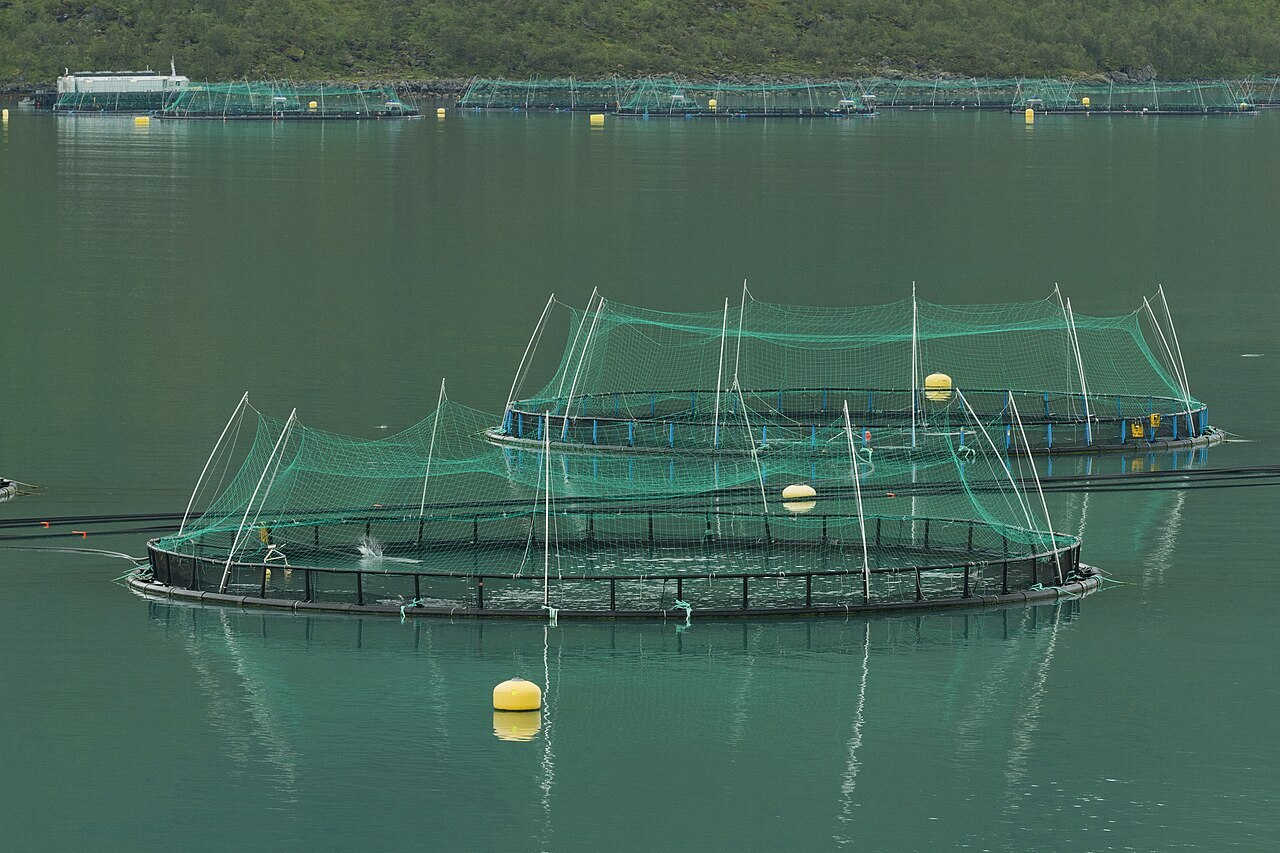
(photo ©Ximonic/Wikimedia)