
A major breakthrough was announced by the FVE regarding the implementation of the EU Veterinary Medicines Regulation following a meeting on 24 April with the European Commission and Member States. ‘An important clarification has been achieved on the interplay between strict observance of a product’s marketing authorisation (Article 106) and the so-called “cascade” provisions (Articles 112-114), particularly for justified changes in dose and duration,’ explained Nancy De Briyne, FVE executive director.
Practical examples and use “under the cascade”
Concerns raised by the veterinary profession largely fall into three types of issues, noted Rocio Salvador Roldan, of the European Commission's DG SANTE Unit D4, responsible for developing EU policy and legislation concerning veterinary medicinal products. At the meeting, she presented several practical cases, showing how the cascade can be applied alongside Article 106:
1. Discrepancy with international recommendations
For example, the WSAVA vaccination guidelines differ from the recommendations on the manufacturer’s product leaflet (specific product characteristics, SPC). While SPCs are based on quality, safety and efficacy, the duration of immunity cited is the minimum duration. ‘Guidelines recommending longer booster intervals can be followed under the cascade if no vaccine with the required vaccination schedule is available.’
2. Therapeutic goal is reached with a lower dose
The dose of the anaesthetic medetomidine should be lower in case of sedation or premedication. While dose adjustment is addressed by the SPC ‘in case of use with other antidepressants’, other cases needing reduced dosage (e.g. renal impairment or concomitant use with other drugs) would be allowed under the cascade. Another example is trilostane, used in dogs with Cushing’s disease. Dose adjustments for pets with specific health problems are also possible under the cascade.
3. Higher doses are recommended in literature
Sometimes, higher doses are required, for example when using phenylpropanolamine in dogs with urinary incontinence, or telmisartan for the treatment of hypertension in cats with chronic kidney disease. In unresponsive animals, the scientific literature recommends increasing the dosage. The Commission clarified that here, too, adjustments are possible under the cascade – and recalls that all lack of efficacy should be reported.
Concrete recommendations
These examples led to concrete recommendations to provide veterinarians and Member States with greater legal certainty and practical guidance — resolving many of the concerns regarding dose and duration deviations for non-antimicrobials. A background presentation is also available for more information.
‘Exceptional and for specific unmet needs only’
A guiding principle for using the cascade route are that it should be used exceptionally, meet specific unmet needs and that its use falls under the entire responsibility of the prescribing veterinarian. And of major importance is the reporting of any efficacy or safety concerns when using veterinary medicinal products in accordance to the SPC – as part of the vet’s duty of pharmacovigilance.
Antimicrobial-related issues to be discussed later
‘This important achievement was made possible thanks to the collective scientific expertise, practical examples and collaboration from veterinarians across Europe,’ concluded Nancy De Briyne, acknowledging the ‘strong scientific input from FVE, EBVS diplomates and veterinary experts across Europe.’ FVE will update its cascade guidance leaflet accordingly. A further meeting is planned at the end of June to discuss antimicrobial-related cases.
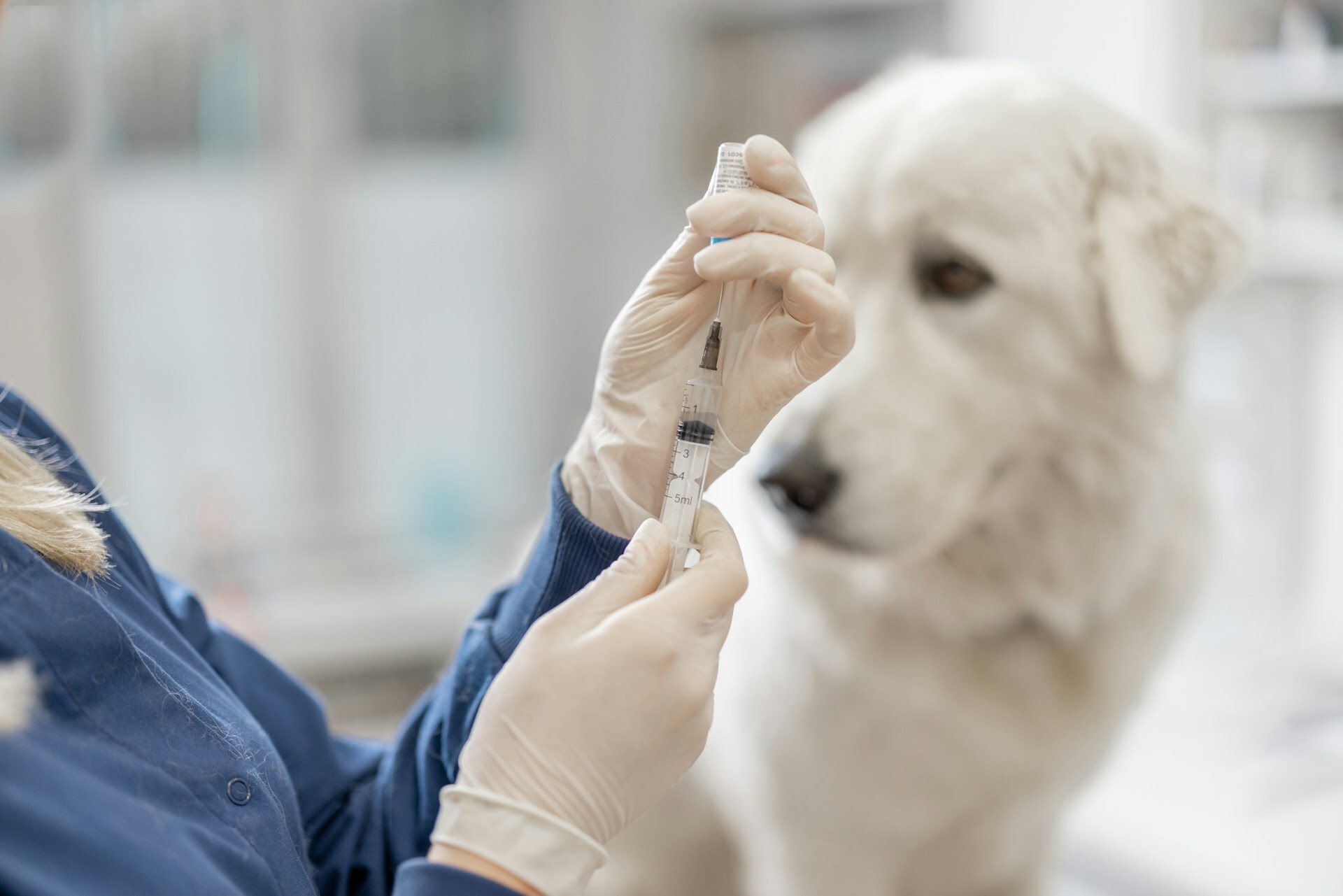
(photo ©Getty images/Unsplash)