
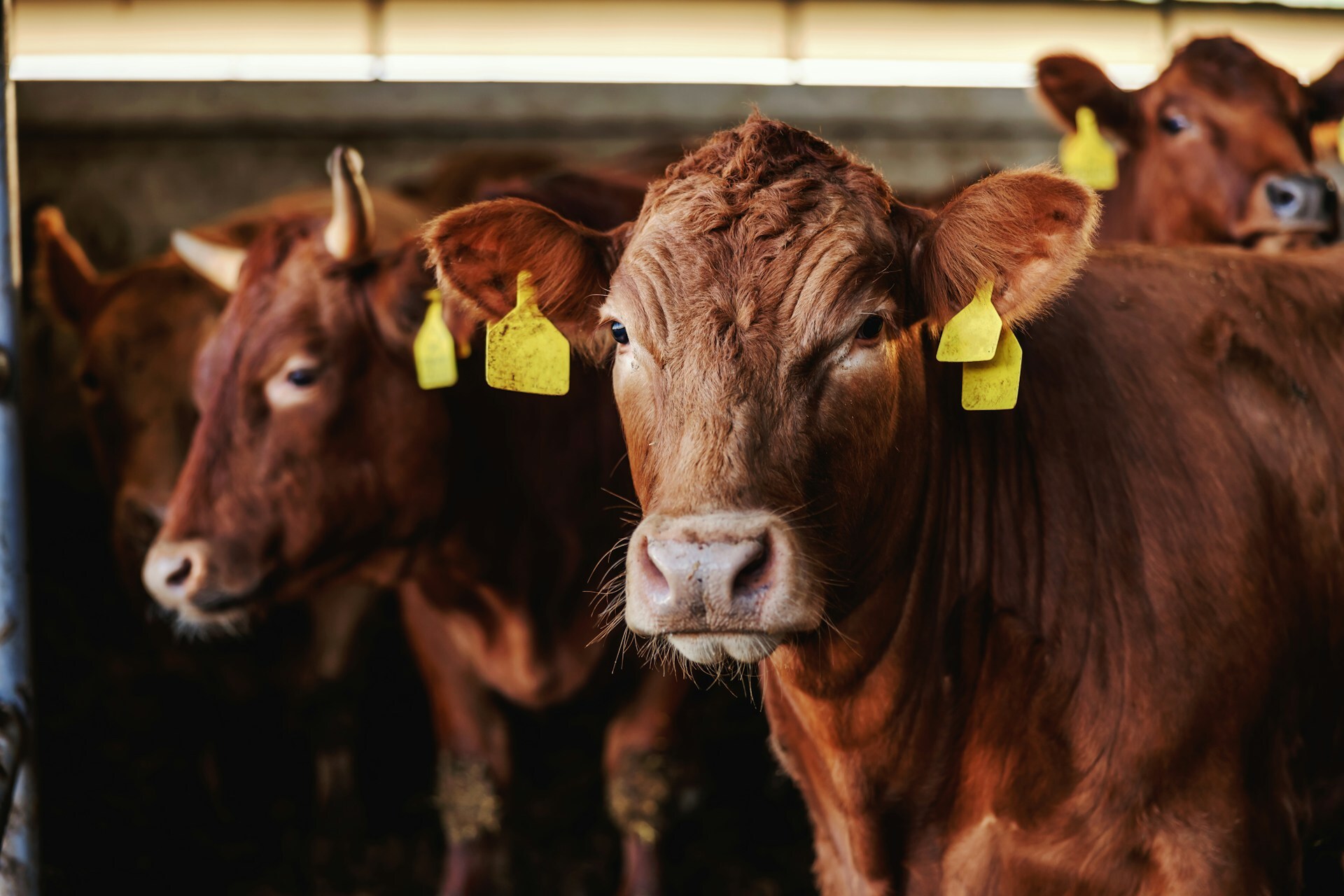
On June 25, Italian veterinary authorities confirmed the first case of Lumpy Skin Disease (LSD) in mainland Italy, in an animal in a beef cattle farm located in Porto Mantovano, in the Mantua province (Lombardy). The affected animal had recently arrived from Sardinia, where a confirmed LSD outbreak had been reported just a few days earlier, on June 21.
Lumpy Skin Disease, a viral vector-borne disease
LSD is a viral disease caused by a Capripoxvirus (family Poxviridae), affecting cattle and buffalo. It is primarily transmitted by vectors such as mosquitoes, flies and ticks. Clinical signs include fever, nodular skin lesions, enlarged lymph nodes, mucosal ulcers, weight loss and decreased milk production. The disease causes significant economic impact due to animal health deterioration, skin damage, trade restrictions and reduced productivity.
Response measures
In response to the case, regional health authorities implemented containment measures including the isolation of suspect animals, enhanced clinical surveillance in nearby farms and tracing of recent animal movements. Protection and surveillance zones of 20 km and 50 km, respectively, have been put in place. Veterinarians are advised to be vigilant for clinical signs of LSD and report any suspected cases immediately. Early detection through virological testing is essential.
Trade consequences
This confirmed case marks the first known introduction of LSD into mainland Italy, following recent outbreaks in Sardinia. It underscores the importance of coordinated action between veterinary services, farmers and public health authorities to prevent further incursions. As a result of these outbreaks Italy has lost its LSD-free status, and certain third countries including the UK have suspended the import of live cattle, untreated hides, milk and dairy products from Italy.
(photo ©Unsplash)