
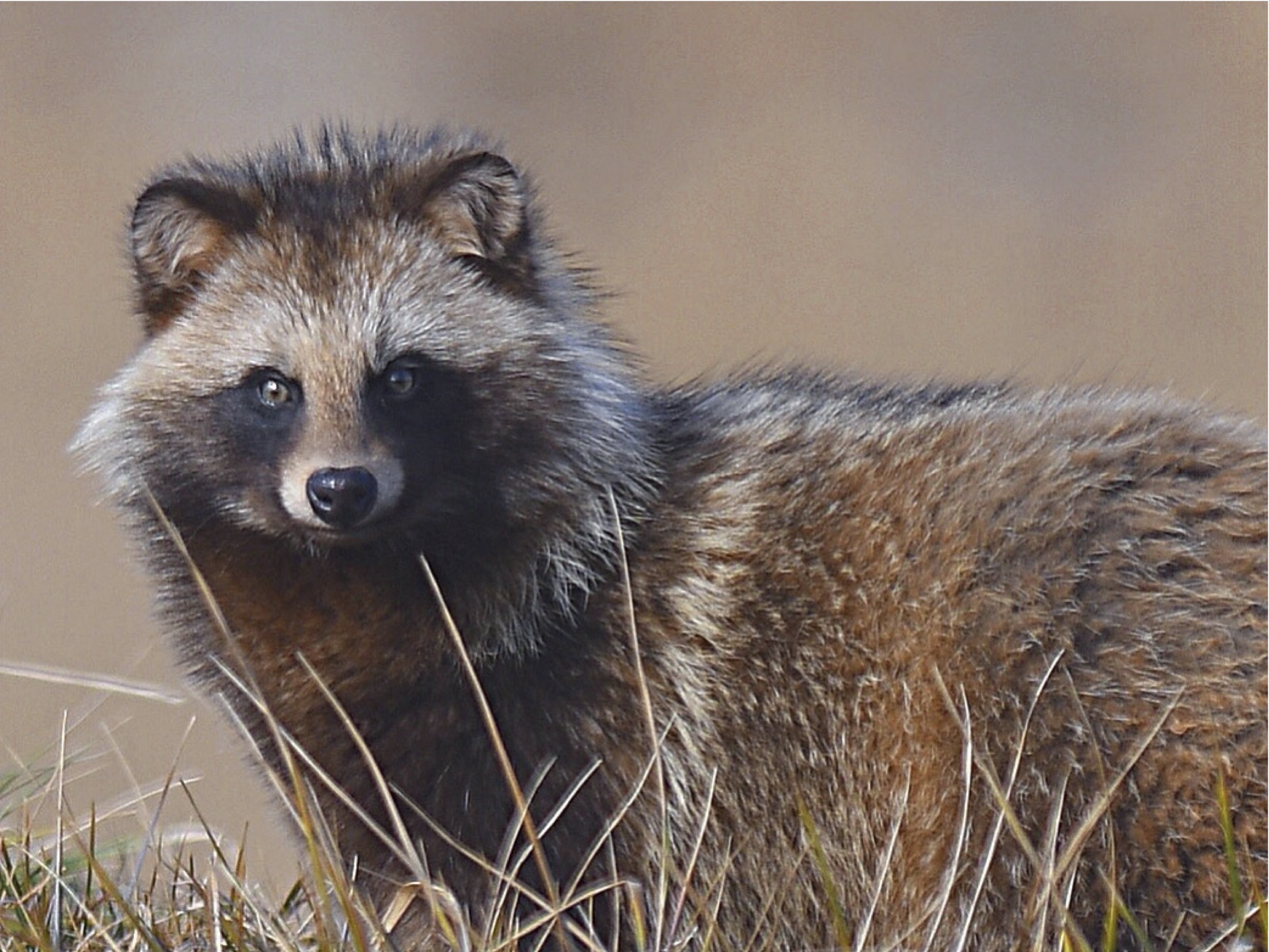
A peer-reviewed study published in Animals reports the first evidence of natural infection with raccoon dog and fox amdoparvovirus (RFAV) in domestic dogs. The study involved four Dobermann dogs from a kennel near Novi Sad, Serbia, investigated during March and April 2026. While RFAV has been reported in raccoon dogs and foxes, natural infection in domestic dogs has not previously been documented.
A new host for RFAV
After routine testing for a range of established canine pathogens was negative, metagenomic sequencing identified RFAV, confirmed by PCR. Viral DNA was detected in several dogs and in a wide range of samples, including blood, urine, kidney, spleen, brain, lung and lymphatic tissue. Unrelated healthy dogs tested negative.
The affected dogs developed a severe, prolonged multisystemic disease, including conjunctivitis and ocular and nasal discharge, weight loss, poor coat quality, jaundice and evidence of liver injury. Some dogs developed neurological signs, including paraplegia.
Important unanswered questions
While the findings support natural RFAV infection and a possible association with the observed disease, the authors stress they do not prove that the virus was solely responsible for the clinical syndrome. The study had a small number of affected animals and lacked histopathological colocalisation, virus isolation, serology and longitudinal viral-load data. The route by which the virus entered the dog population also remains unknown. The authors conclude that RFAV may have crossed the host-species barrier and note that further studies are underway to clarify its pathogenicity, epidemiology and geographical distribution.
Why surveillance matters
‘For practising veterinarians, this finding is a reason for awareness rather than alarm,’ commented Volker Moser UEVP president. ‘According to the authors, there is currently no evidence to suggest widespread infection among domestic dogs. Routine screening is therefore not indicated.’
The report does, however, underline the value of veterinary surveillance. Unusual or unexplained multisystemic disease, particularly in dogs with relevant epidemiological links to breeding, travel or wildlife, should prompt careful investigation and appropriate diagnostic testing.
(photo of a raccoon dog ©Kenishigaki/Flickr)