
Early July, the European Commission published its first-ever EU Livestock Strategy, setting out a long-term vision ‘for a livestock sector that is resilient, competitive and sustainable.’ For veterinarians, the most significant message is clear: healthy livestock systems depend on strong disease prevention, high animal welfare standards and greater preparedness for future challenges.
Reviewing vaccination policies
Animal disease outbreaks remain a major threat to European livestock production. The strategy therefore adopts a prevention-first approach, with measures to strengthen surveillance, improve early detection and response systems, and support Member States in tackling both endemic and emerging diseases. It also foresees enhanced financing for prevention and disease control, stronger cross-border cooperation, and a review of vaccination policies based on the latest scientific evidence and international standards.
Cage-free systems and routine killing of male chicks
The Commission recognises that animal welfare and animal health are closely linked. It confirms plans to revise welfare legislation for poultry and pigs, support the transition towards cage-free systems, and encourage technologies to help end the routine killing of male chicks. The strategy also aims to reduce welfare concerns associated with animal transport through more local slaughter options and regional livestock value chains. In addition, the Commission intends to explore how animal welfare requirements can be better reflected in import standards, helping create a level playing field for European producers.
Supporting sustainable livestock farming
Beyond animal health and welfare, the strategy seeks to strengthen the resilience of livestock farming and rural communities. It promotes innovation, biosecurity, climate resilience and fair returns for farmers, while recognising the essential role livestock play in food security and the rural economy.
Alongside the strategy, a new Protein Action Plan aims to reduce Europe’s dependence on imported feed proteins by increasing the share of EU-grown protein crops used in animal feed from 25% to 35% by 2035.
While the proposals must now be translated into legislation, the strategy signals a stronger commitment to prevention, preparedness and animal welfare – areas where the veterinary profession will continue to play a central role.
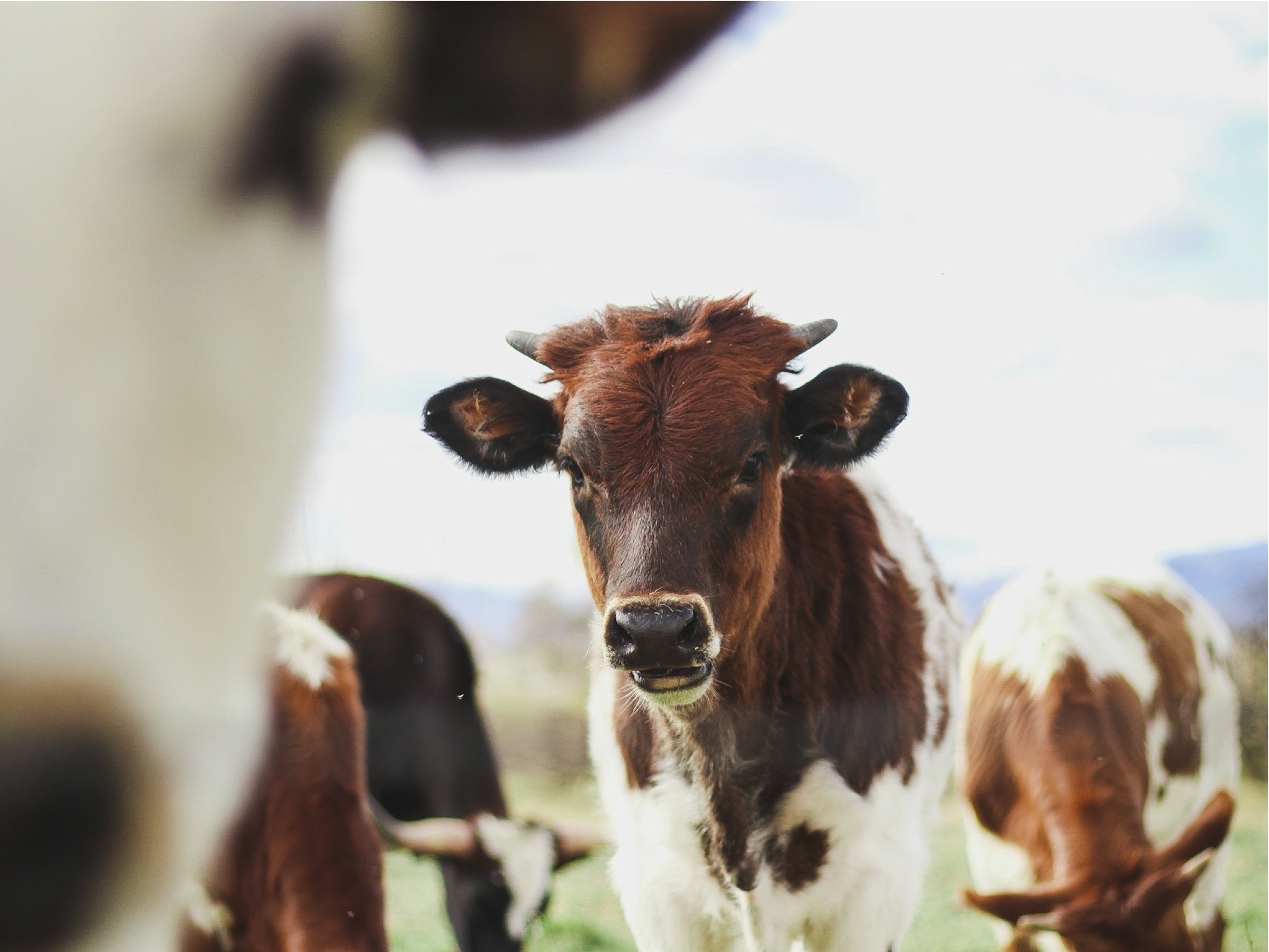
(photo ©Kylie Alons/Unsplash)