
The Union of European Veterinary Practitioners (UEVP) has voiced its support for the Hellenic Veterinary Association (HVA) as Greece considers new legislation governing veterinary forensic investigations. UEVP welcomes the proposed establishment of 14 permanent veterinary posts within the Ministry of Justice, recognising this as ‘an important step towards strengthening the investigation of animal abuse, unexplained animal deaths and other forensic cases.’
Veterinary and human forensics: ‘entirely different’
At the same time, UEVP believes the legislation should explicitly ensure that veterinary forensic examinations and reports remain under the scientific responsibility of qualified veterinarians. ‘Existing Greek legislation already clearly identifies veterinary forensic work as a core professional responsibility of veterinarians,’ recalled Athina Trachili, President of the HVA and UEVP Board Member. ‘It should not be assigned to human forensic examiners, whose area of expertise is entirely different.’
Veterinary expertise cannot be replaced
Veterinary forensic medicine is a specialised discipline requiring expertise in animal pathology, anatomy, infectious diseases, toxicology, animal welfare and species-specific post-mortem changes. While close collaboration with forensic physicians, toxicologists, geneticists and judicial authorities is essential, UEVP stresses that multidisciplinary cooperation should complement – not replace – veterinary expertise.
‘Veterinary forensic investigations require veterinary scientific leadership,’ stressed Volker Moser, UEVP President. ‘This is essential not only for ensuring robust scientific evidence in animal cruelty cases, but also for protecting animal welfare, supporting the administration of justice and contributing to the One Health approach.’
Greek authorities should ‘confirm veterinary scientific responsibility’
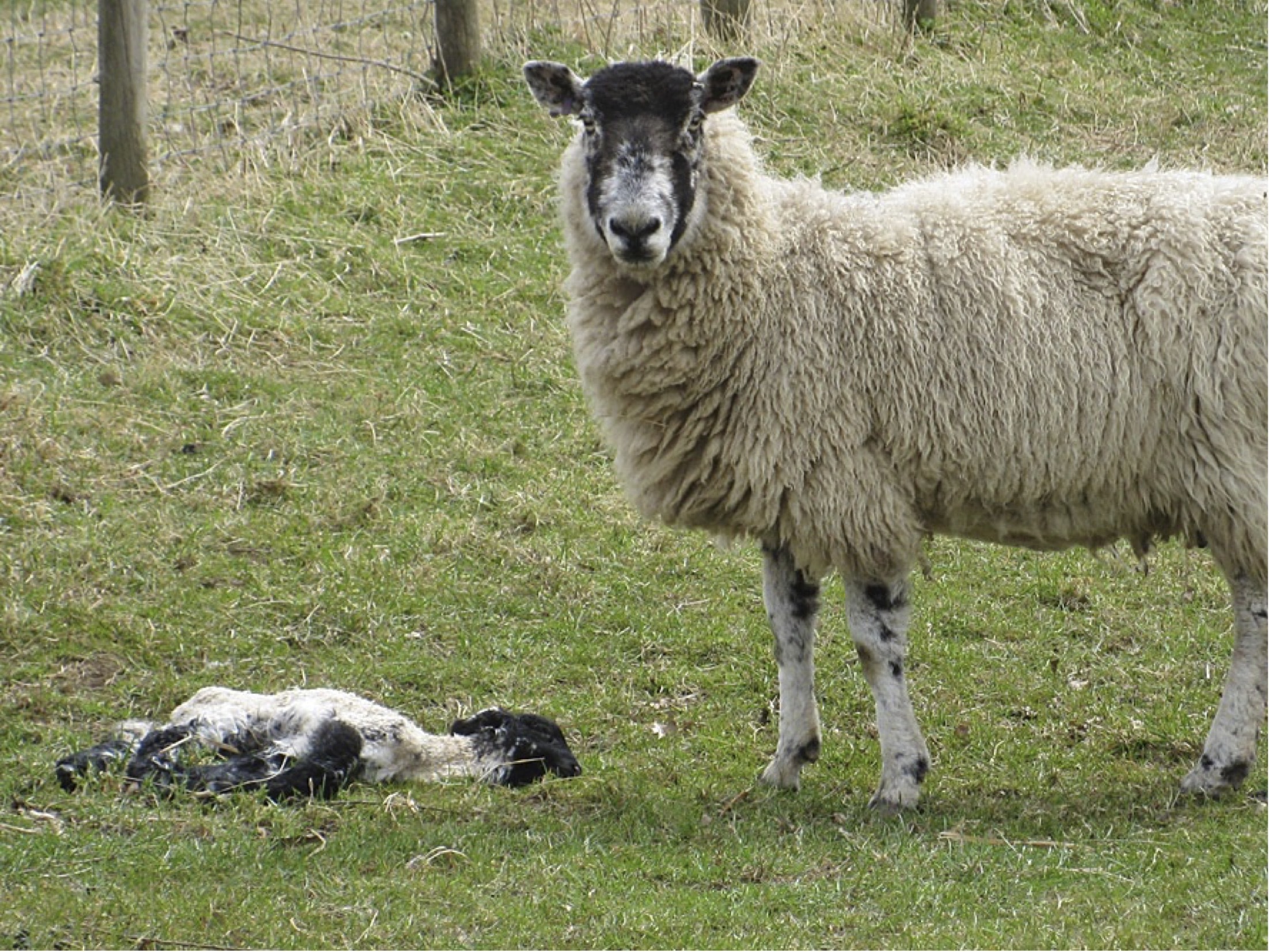
A deceased animal may represent not only evidence in a criminal investigation, but also the first indication of an emerging or zoonotic disease. Veterinarians are uniquely trained to recognise these wider implications and to ensure appropriate disease reporting where necessary.
UEVP therefore encourages the Greek authorities to complement the proposed legislation with explicit provisions confirming veterinary scientific responsibility, while continuing to promote multidisciplinary cooperation and high standards in veterinary forensic medicine.
(photo ©Pauline E/Creative commons)