
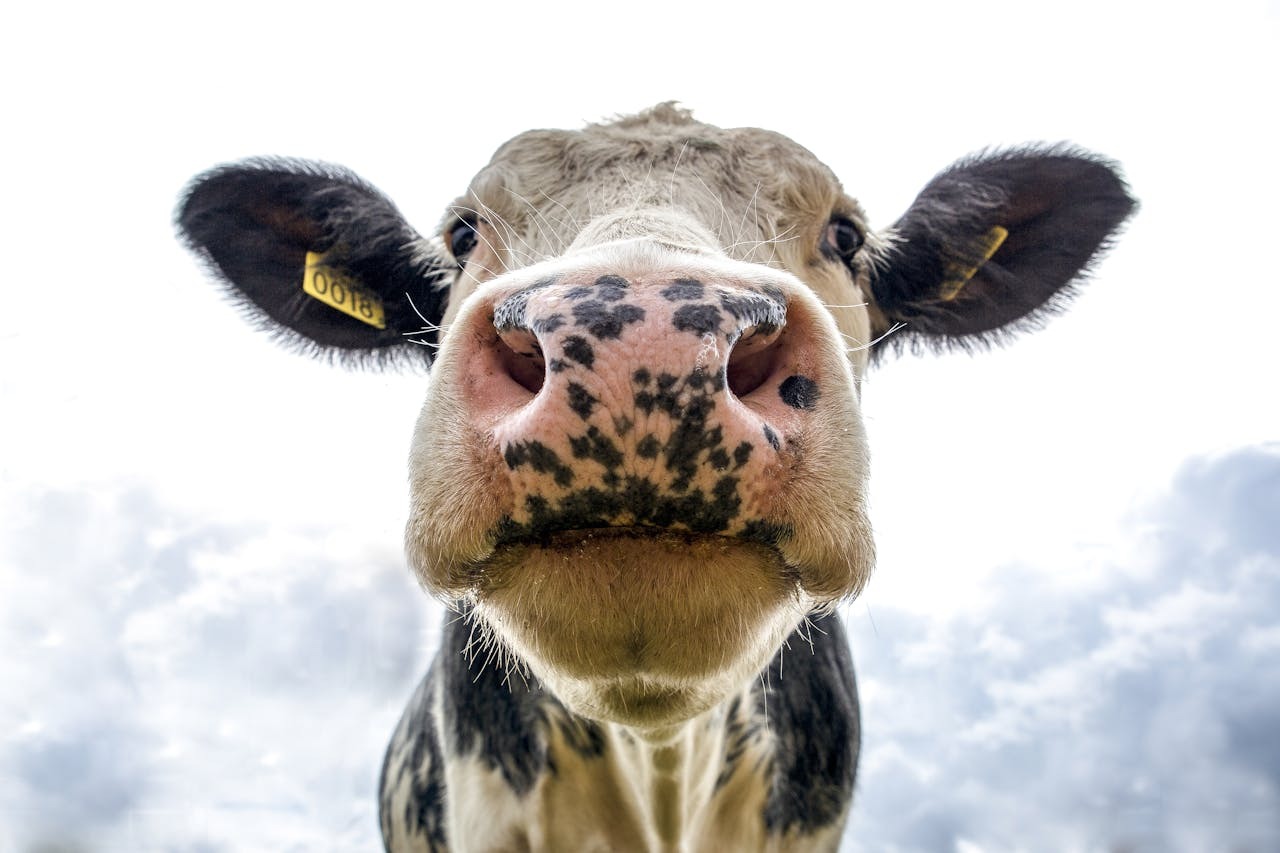
On 15 March, nine cattle were diagnosed with food-and-mouth disease on a cattle farm on the island of Lesvos (Lesbos), in the northeastern Aegean archipelago of Greece, some 20 kms from Turkey. Foot-and-mouth was last recorded in Greece in 2001, but the last confirmed outbreak in this zone dates back to August 1994. The serotype has not yet been determined according to the World Animal Health Information System (WAHIS).
The entire island of Lesbos declared restricted
An Agriculture Ministry statement said the outbreak on Lesvos was confirmed on Sunday, adding that all livestock on the farm susceptible to the disease would be culled and all animal products destroyed. At an emergency meeting Tuesday, ministry officials declared the entire island a restricted zone, according to EU regulations. There can be no transportation locally, or export from Lesvos, of cattle, pigs, sheep or goats, or of animal products and by-products and fodder.
Already much damage following sheep and goat pox
The news comes amid widespread damage to the sheep and goat farming sector in Greece, where nearly half a million animals have been culled over the past year and a half due to a persistent sheep and goat pox epidemic. Last month, Cyprus also reported outbreaks of foot-and-mouth disease, with cases confirmed on 50 farms so far and thousands of animals facing slaughter.
(photo ©Jan Koetsier/Pexels)