
The European Commission has published the factual summary report of its public consultation on the revision of EU on-farm animal welfare legislation. Conducted between September and December 2025, the consultation is part of the Commission’s broader effort to modernise existing rules, as outlined in its Vision for Agriculture and Food. The consultation attracted over 190,000 responses, the vast majority from citizens. While not representative of the entire EU population, the results provide a clear indication of societal expectations regarding animal welfare.
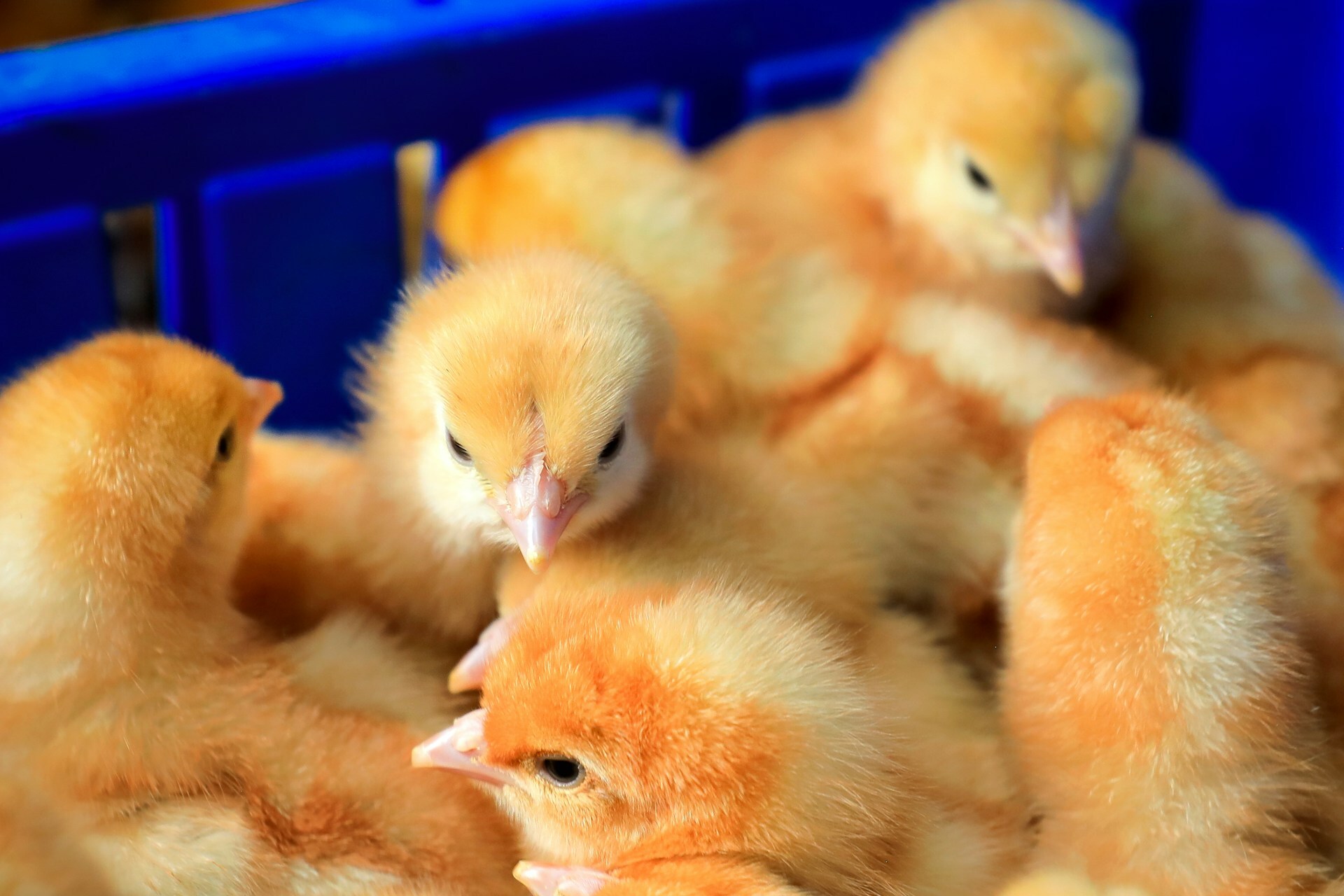
Phasing out cage systems and killing day-old chicks
Respondents expressed strong support for phasing out cage systems across multiple species, including laying hens and other poultry, pigs, calves and rabbits. However, they also highlighted significant barriers to transition, notably high investment costs, limited consumer willingness to pay and infrastructure constraints. Nearly all respondents considered the systematic killing of day-old male chicks in the laying hen sector to be ethically problematic. There was also broad agreement on the need for equivalent animal welfare standards for imported products.
Consultation identifies gaps in current legislation
Animal-based welfare indicators were widely recognised as useful tools to assess and improve welfare outcomes on farms. In addition, a large majority felt that current EU legislation does not sufficiently ensure that animals can express normal behaviours, highlighting perceived gaps in existing rules. The findings will inform the Commission’s ongoing work on revising EU animal welfare legislation.
FVE: ‘still much to be done’
‘The public has spoken clearly: they want higher animal welfare standards,’ commented Nancy De Briyne, FVE executive officer. 'The veterinary profession shares this call, as reflected in FVE’s position papers on laying hen welfare, farmed rabbits, welfare friendly farrowing systems for sows and humane killing practices for unwanted animals. Now it is up to the European Commission and the co-legislators to turn this strong societal and professional mandate into concrete action.'
(photo ©Mulugeta Wolde/Unsplash)