
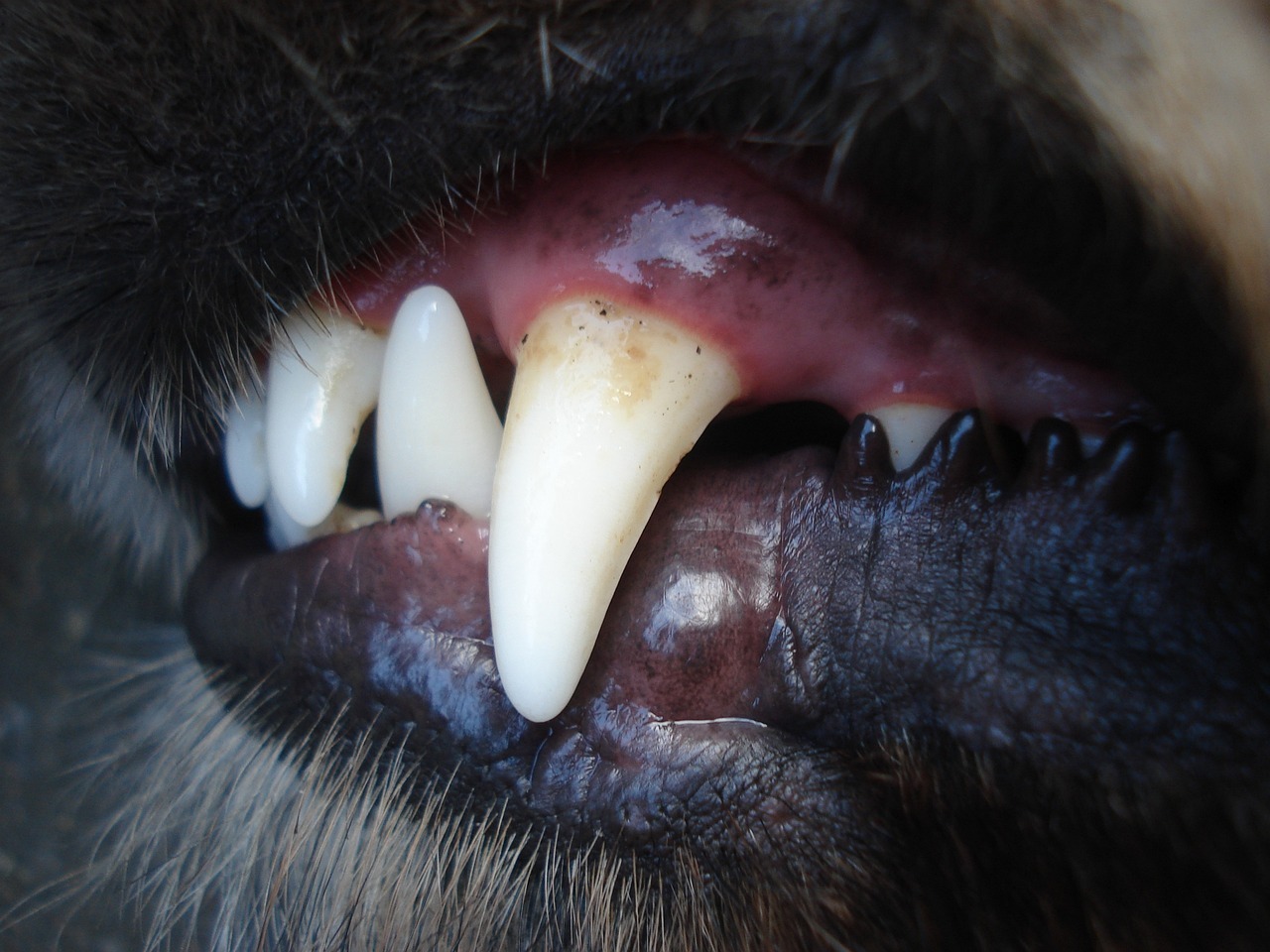
In Austria, vets are raising concerns about the growing number of non-veterinary providers offering ‘professional’ dental cleaning for dogs and cats. These services are often marketed as quick or ‘anaesthesia-free’ procedures, suggesting a safe alternative to veterinary dental care. The Austrian veterinary chamber (ÖTK) recently issued a press statement warning pet owners.
Veterinary dentistry: more than removing tartar
Dental disease is among the most common health problems in companion animals, the ÖTK recalls. Conditions such as periodontal disease can cause pain, tooth loss and even systemic infections if left untreated. Veterinary dentistry includes history taking, clinical and oral examination, diagnostic imaging, preventive care and treatment of diseases affecting the mouth, head and neck. These procedures require knowledge of anatomy, physiology and pathology, as well as an understanding of how oral disease may affect general health.
The risks of unqualified services
‘The increasing availability of dental procedures offered by untrained providers raises several concerns. Improper techniques or unsuitable equipment can cause pain, the loss of teeth or mask underlying disease,’ stresses Kurt Frühwirth, president of the ÖTK. In addition, marketing that promotes ‘professional’ or ‘anaesthesia-free’ dental cleaning may mislead pet owners into believing these procedures are equivalent to veterinary care, even though they do not include proper medical evaluation.
The role of pet owners – and veterinarians
Daily oral care at home, particularly regular tooth brushing, plays an important role in prevention. However, diagnostic procedures and professional dental treatment must remain within the scope of veterinary practice. ‘Clear communication about the difference between supportive home care and veterinary medical treatment is essential to protect both animal welfare and public trust in veterinary care,’ Kurt Frühwirth adds.
(photo ©Beeki/Pixabay)