
During the joint FVE/FECAVA webinar on 2 April, PhD researcher Luna Vanden Buijs (Ghent University) presented a prevention strategy of feline infectious peritonitis (FIP) for breeding catteries. She recalled that the widely spread feline enteric coronavirus (FECV) infection, often subclinical, mutates in around 5% of cases into the FIP virus, causing a progressive disease that is fatal without treatment. Reducing FECV circulation in multi-cat environments is therefore key.
FECV prevalence: 75% for cats , 87% for catteries
Her study showed a high prevalence of FECV: approximately 75% of 213 cats in 23 breeding catteries in Belgium were positive, with only three catteries testing negative for all cats. Persistent shedders – cats shedding for more than four months – were identified as major contributors to transmission, alongside factors such as group size and hygiene management.
Practical prevention strategies
In a second phase, structured protocols were implemented, ranging from basic hygiene improvements to strict “FECV-free” protocols. These included intensified cleaning, the use of bentonite cat litter, smaller cat groups, testing of cats at key time points, isolation of pregnant queens and removal of persistent shedders. The results demonstrated clear benefits. Notably, under the strictest protocol, four out of five catteries became FECV-free, confirming that elimination is achievable.
Key takeaways for practitioners
As emphasised by Professor Hans Nauwynck during the webinar, early intervention is crucial. ‘Most kittens become infected shortly after weaning, making the first weeks of life a key window for control.’ Although maintaining FECV-free status can be challenging, the webinar highlighted that structured, evidence-based management can significantly reduce infection pressure.
The recording of Luna’s presentation can be viewed here and slides of her presentation – including a comparative table of the protocols – are available here. The first part of the webinar concerned the FIP outbreak in Cyprus in 2023, described by Demitris Epaminodas.
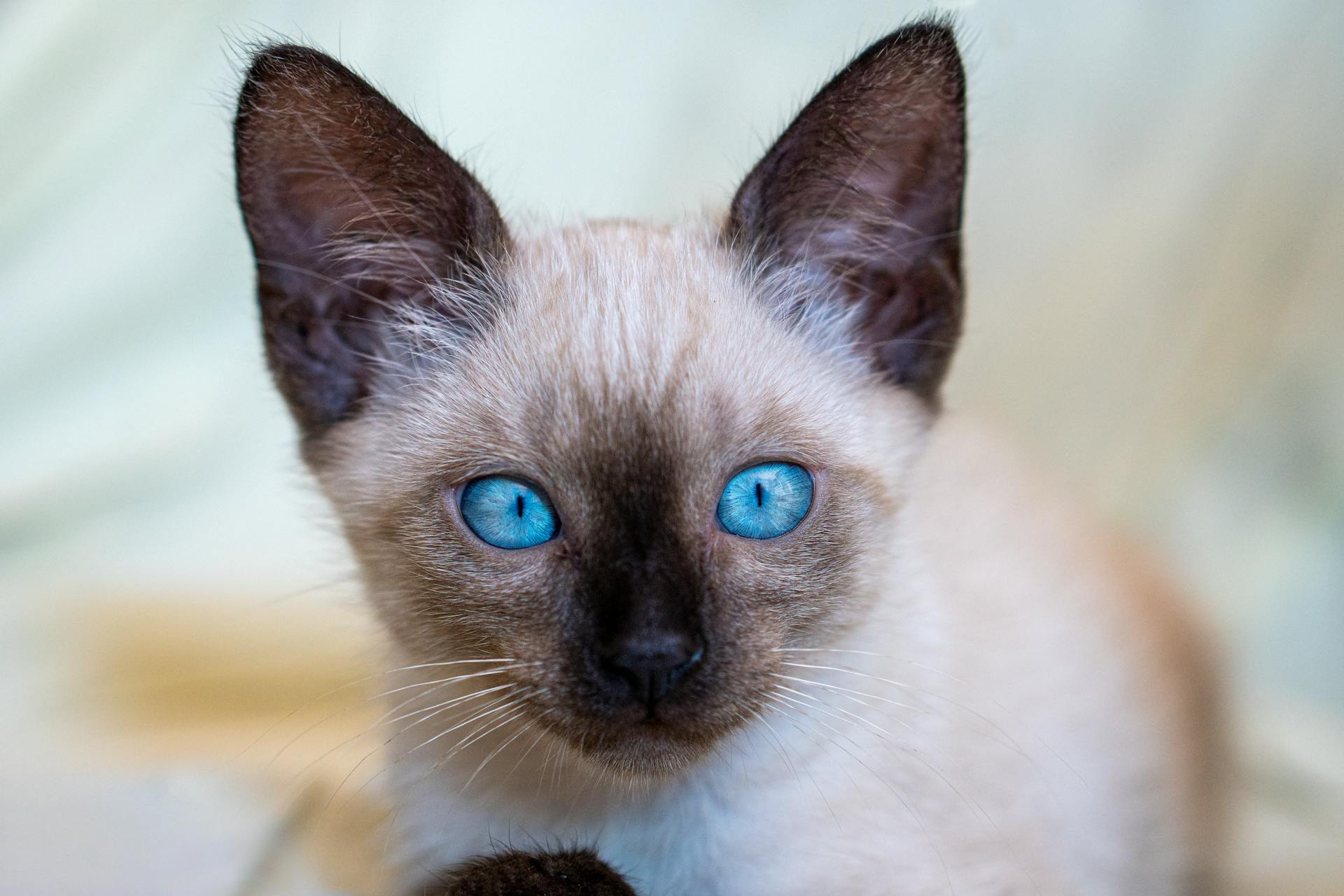
(photo ©Honye Sanges/Pexels)