
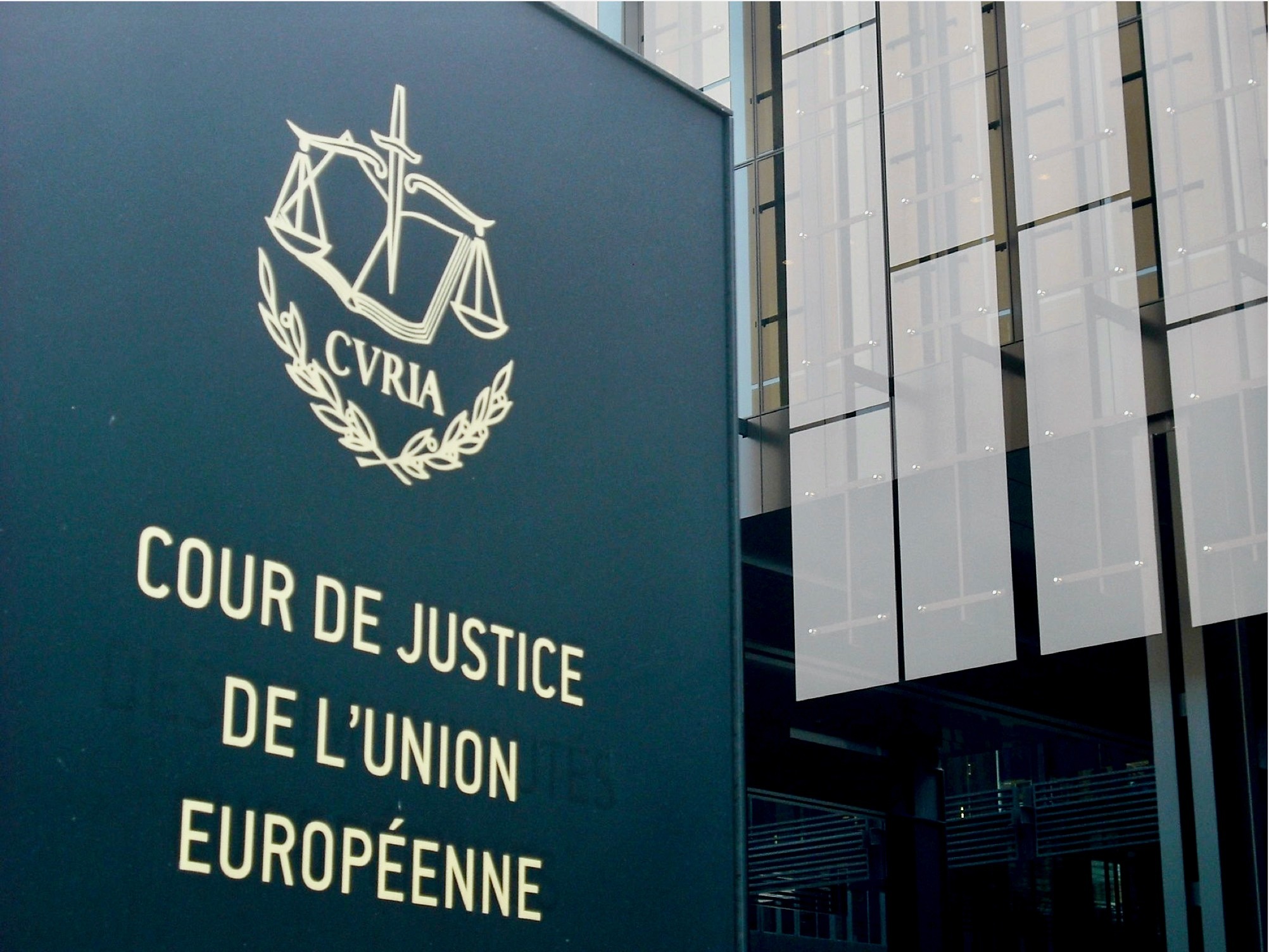
The European Commission has referred France to the Court of Justice of the European Union (CJEU), arguing that aspects of the country's veterinary legislation are incompatible with EU rules on freedom of establishment and the free movement of services (Directive 2006/123/EC). At the heart of the dispute are French requirements that a majority of shares in veterinary companies be held by practising vets working within the company, and that a veterinary shareholder be present, at least part-time, in each establishment. According to the Commission, these provisions create ‘unjustified barriers’ to the organisation and development of veterinary businesses.
A negotiated framework under pressure
The decision has prompted a strong reaction from the French National Union of Practising Veterinarians (SNVEL), which argues that the debate should not be viewed through the lens of market protection but through the broader public-interest role of the veterinary profession. SNVEL observes that the rules challenged by the Commission emerged from a conciliation process led by the French Ministry of Agriculture following rulings by the Conseil d'État in 2023. The resulting framework – developed with the participation of the veterinary profession, the Veterinary Chamber and corporate groups – sought to clarify governance arrangements and provide legal certainty for practitioners.
‘Independence, not protectionism’
For SNVEL, majority ownership by practising veterinarians is not a protectionist measure but ‘a safeguard designed to preserve professional independence.’ The organisation argues that clinical and prescribing decisions must remain under the control of veterinarians rather than investors. Such safeguards, it says, are directly linked to animal health and welfare, public health, responsible use of medicines and antimicrobial stewardship. ‘The requirement for majority ownership and voting rights by practising veterinarians is not a protectionist barrier,’ stresses SNVEL and UEVP Vice president Julien Le Tual. ‘It guarantees that clinical and prescribing decisions remain protected from purely financial interests.’
Professional independence: a wider European debate
The case also raises broader questions for the veterinary profession across Europe. As veterinary practices increasingly attract external investment, the profession is seeking ways to balance innovation and investment with safeguards that protect clinical autonomy and professional responsibility. Volker Moser, UEVP President notes: ‘The outcome of the case could have implications well beyond France. The judgement may help define the extent to which Member States can maintain safeguards aimed at protecting professional independence, animal welfare and public health within the framework of EU internal market rules.’
(photo ©Flikr)